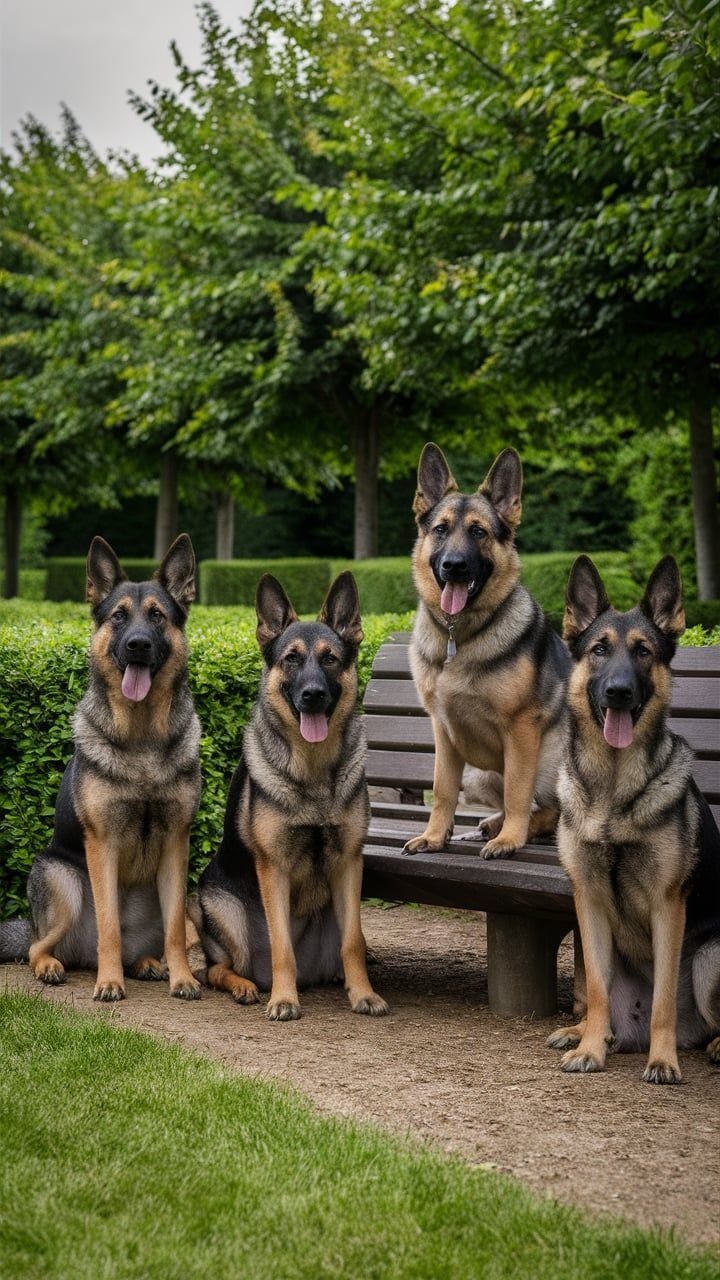
How to Train Your German Shepherd Like a Pro
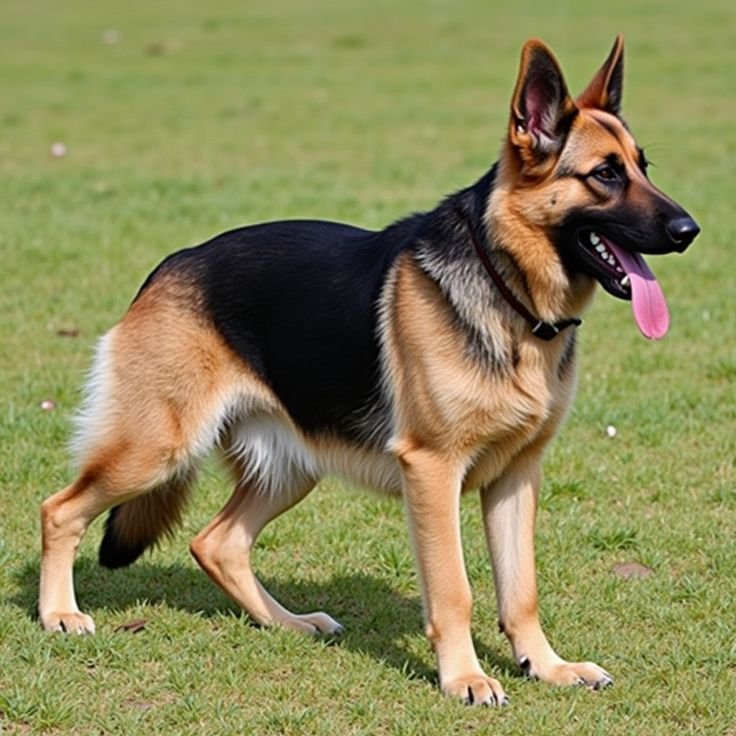
The German Shepherd is one of the most intelligent and trainable dog breeds in the world. Known for their loyalty, courage, and eagerness to learn, these dogs excel in obedience, protection, and companionship. However, their intelligence also means they need consistent guidance and structure. Training a German Shepherd like a pro requires patience, positive reinforcement, and a clear understanding of the breed’s instincts.
Start Early and Stay Consistent
Training should begin as soon as a German Shepherd puppy arrives home. Early training helps establish good habits and prevents unwanted behaviors from developing. Puppies are quick learners, and the earlier they are introduced to commands and routines, the easier it is to shape their behavior.
Consistency is key. Use the same commands and tone of voice for each behavior. For example, if “sit” is the chosen command, avoid switching to “sit down” or “take a seat.” Consistent language helps the dog associate specific words with actions, making learning faster and more effective.
Use Positive Reinforcement
German Shepherds respond best to positive reinforcement—rewarding good behavior with treats, praise, or playtime. This method builds trust and strengthens the bond between dog and owner. When the dog performs a command correctly, reward immediately so they connect the action with the reward.
Avoid harsh punishment or yelling, as this can create fear and confusion. Instead, redirect unwanted behavior and reward the correct response. A confident, well-trained German Shepherd learns through encouragement, not intimidation.
Focus on Basic Commands First
Before moving on to advanced training, ensure the dog masters basic commands such as sit, stay, come, down, and heel. These commands form the foundation for all future training. Practice short sessions—about 10 to 15 minutes each—several times a day to keep the dog engaged without overwhelming them.
Once the basics are solid, gradually introduce more complex tasks like off-leash recall, agility exercises, or protection training. German Shepherds thrive on mental challenges, so keeping their minds active is just as important as physical exercise.
Socialization Is Essential
Proper socialization is one of the most important aspects of training. Expose the German Shepherd to different environments, people, and other animals from an early age. This helps prevent fear-based aggression and ensures the dog grows into a confident, well-mannered adult.
Take the dog on walks in busy areas, visit parks, and allow them to meet friendly dogs. Positive experiences during socialization build trust and teach the dog how to behave appropriately in various situations.
Provide Mental and Physical Stimulation
German Shepherds are working dogs by nature. Without enough mental and physical activity, they can become bored and destructive. Incorporate puzzle toys, obedience games, and regular exercise into their daily routine. Activities like fetch, agility training, and scent work keep them sharp and satisfied.
Be Patient and Persistent
Training a German Shepherd takes time and dedication. Some days will be easier than others, but persistence pays off. Celebrate small victories and remain patient through setbacks. With consistent effort, the result will be a well-behaved, confident, and loyal companion.
A properly trained German Shepherd is not only obedient but also deeply bonded with its owner. With love, structure, and positive reinforcement, anyone can train their German Shepherd like a pro—and enjoy a lifetime of loyalty and companionship.
German Shepherd Palace — Building Bonds Through Training and Trust.